News
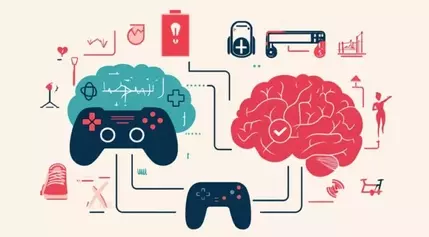
Unlocking the Brain-Body Connection: How Gaming and Exercise Shape Cognitive and Mental Well-BeingA groundbreaking study has uncovered the distinct ways in which video gaming and exercise influence our cognitive abilities and mental health. Contrary to popular belief, the findings suggest that while frequent gaming boosts cognitive performance, it has no impact on mental well-being, while regular exercise enhances mental health without affecting cognition. This study offers valuable insights into the complex interplay between our lifestyles and brain health.## Unlocking the Brain-Body Connection: How Gaming and Exercise Shape Cognitive and Mental Well-Being### Cognitive Gains from Gaming, Mental Health Benefits from ExerciseThe study, conducted by researchers at the University of Western Ontario, examined the effects of video gaming and physical activity on over 1,000 participants from around the world. The results reveal a surprising dichotomy in the way these two lifestyle factors influence different aspects of brain health.### Cognitive Enhancements through GamingThe findings show that frequent video game players, defined as those who spend five or more hours per week on a single game, performed cognitively like individuals 13.7 years younger on average. In contrast, those who engaged in video gaming less frequently (less than 5 hours per week across all games) performed similarly to people 5.2 years younger.These cognitive benefits were observed across various domains, including memory, attention, reasoning, and verbal abilities. The researchers suggest that the cognitive demands and problem-solving skills required in many video games may contribute to these enhanced cognitive abilities.### Mental Health Boost from ExerciseWhile video gaming had a positive impact on cognition, the study found that physical activity was more closely linked to mental well-being. Participants who met or exceeded the World Health Organization's (WHO) recommended 150 minutes of physical activity per week were 12% more likely to report no symptoms of depression and 9% more likely to have no symptoms of anxiety.Interestingly, the data indicates that these mental health improvements were not solely driven by individuals with severe depression or anxiety. Instead, the benefits were most pronounced at the lower end of the scales, where symptoms were mild or absent altogether.### Unraveling the Brain-Body ConnectionThe study's findings challenge the commonly held notion that a direct link exists between cognitive performance and mental health. Instead, the results suggest that video gaming and exercise have distinct and independent effects on these two aspects of brain health."Playing video games was associated with improved cognitive abilities but not better or worse mental health, whereas more physical activity was associated with improved mental health but not better or worse cognitive health," explained Adrian Owen, the study's lead researcher and a professor of cognitive neuroscience and imaging at Western's Schulich School of Medicine & Dentistry.### Implications for Healthy AgingThe insights gained from this study could have significant implications for promoting healthy cognitive aging and mental well-being across the lifespan. By understanding the unique contributions of video gaming and exercise, individuals can make informed choices about the activities that best suit their personal goals and needs."The results of this study could help all of us choose activities that promote healthy cognitive aging," said Owen.As the research team continues to explore the complex interplay between the brain and body, the findings from this large-scale study offer a valuable starting point for understanding how our lifestyle choices can shape the long-term health of our minds and bodies.### Exploring the Brain-Body Connection at the Manchester Science FestivalThe details of the study's findings will be presented by Owen at the Science and Industry Museum in Manchester, UK, as part of the Manchester Science Festival, running from October 18 to 27. Visitors to the festival will also have the opportunity to participate in a pilot study that aims to examine the short-term effects of exercise and gaming on cognition.Additionally, Owen will provide commentary on how the brain processes sound and light within an artistic commission for the festival by the Squidsoup collective. Inspired by the work of Piet Mondrian, the "State of Mind" installation features a three-dimensional arrangement of LED lights accompanied by an informative soundscape, offering a unique and engaging exploration of the brain-body connection.